中国社会科学院欧洲研究所研究员孔田平来校作专题讲座
On November 23, 2026, Kong Tianping, Senior Research Fellow of the Institute of European Studies, the Chinese Academy of Social Sciences (IES, CASS) and Professor at the University of Chinese Academy of Social Sciences, delivered a lecture titled “The Situation and Choices of Central and Eastern European Countries amid Changes in the International Order” at Ningbo University of Technology’s China—CEEC Innovation Cooperation Research Center (hereinafter referred to as the “Research Center”). Zhang Xinguang, Director of the University’s Center for Humanities and Social Sciences Development, and Wu Yuxia, Party Secretary of the Research Center attended the event.
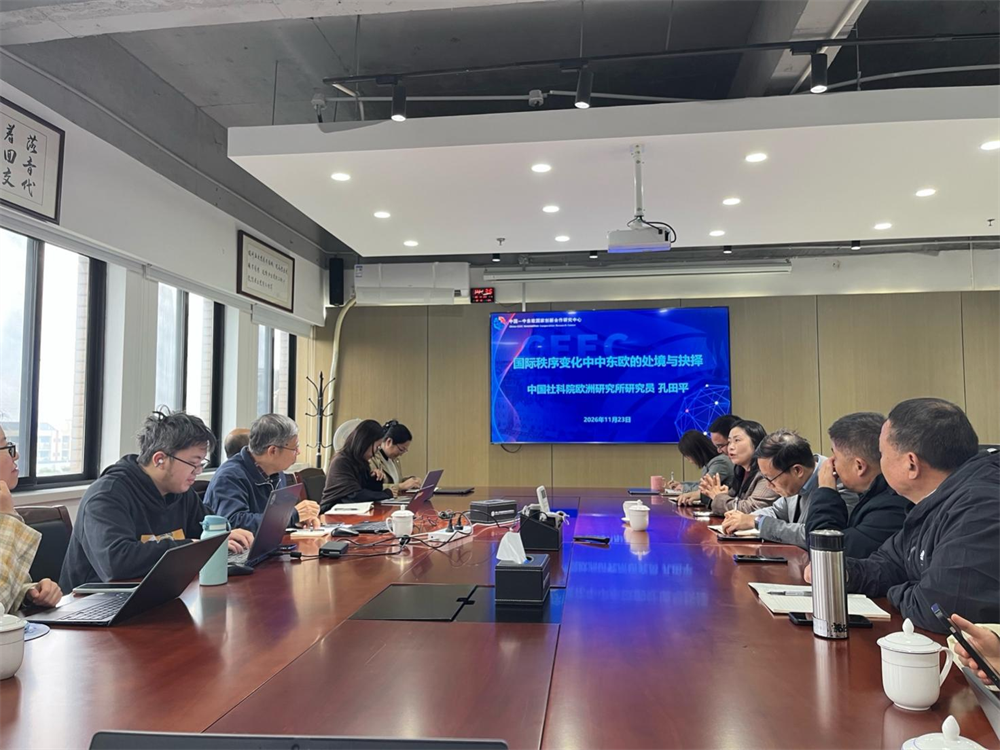
The lecture was chaired by Wu Yuxia. She gave an overview of the development history and future direction of the Research Center, expressing an expectation that the lecture would serve as a starting point for continued academic exchanges in related fields.
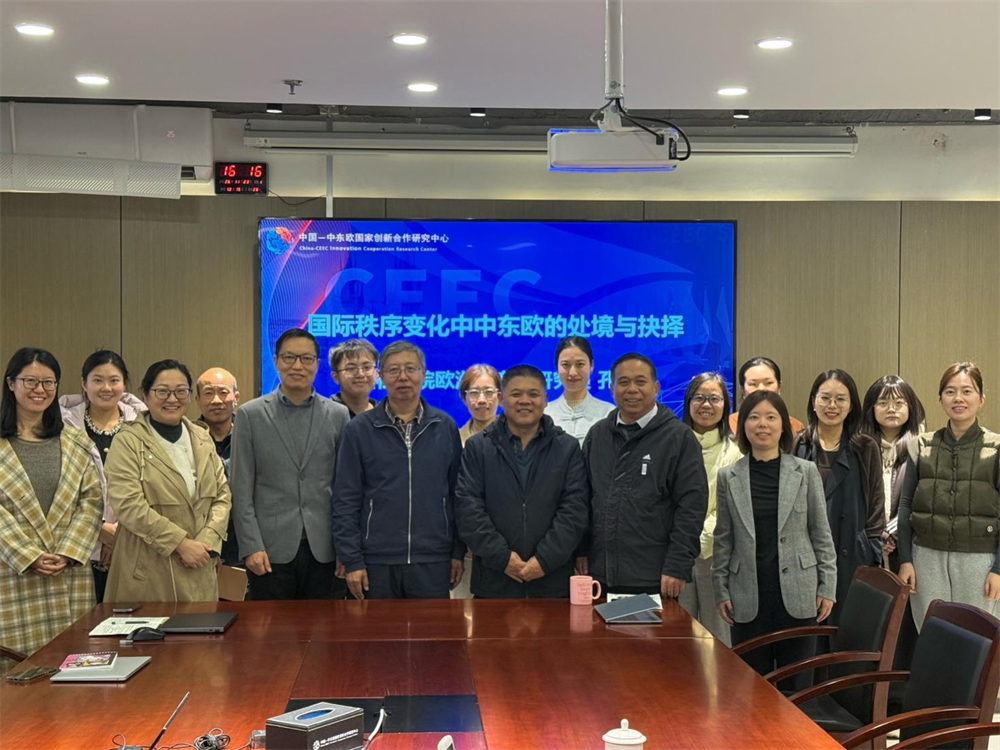
Kong Tianping addressed two themes: the historical evolution of the concept of Central and Eastern Europe, and changes in the current international order. He noted that the region occupies a distinctive position geopolitically, and that its complex history and diverse paths of political transformation have made it a window through which to observe global politics. Turning to the international outlook, Kong said the coming decade will be a critical one for changes in the international order. He observed that shifts in the global landscape will inevitably affect the political, economic and investment environments of Central and Eastern European countries, as domestic and foreign policy factors interact. He also raised the question of how the younger generation in the region forms its values amid such changes, calling it an issue worthy of further study. On economic cooperation, Kong described Central and Eastern Europe as an important market for Chinese companies “going global”. He said that how China and Europe manage differences and deepen cooperation is a shared concern of governments and businesses alike.


